Moving from manual management of loading and unloading bays to a digital yard management system isn’t just a matter of operational efficiency: it’s an investment with a measurable return, documented by several industry analyses. Let’s see what concrete changes there are in terms of time, personnel, and costs.
The hidden cost of manual management
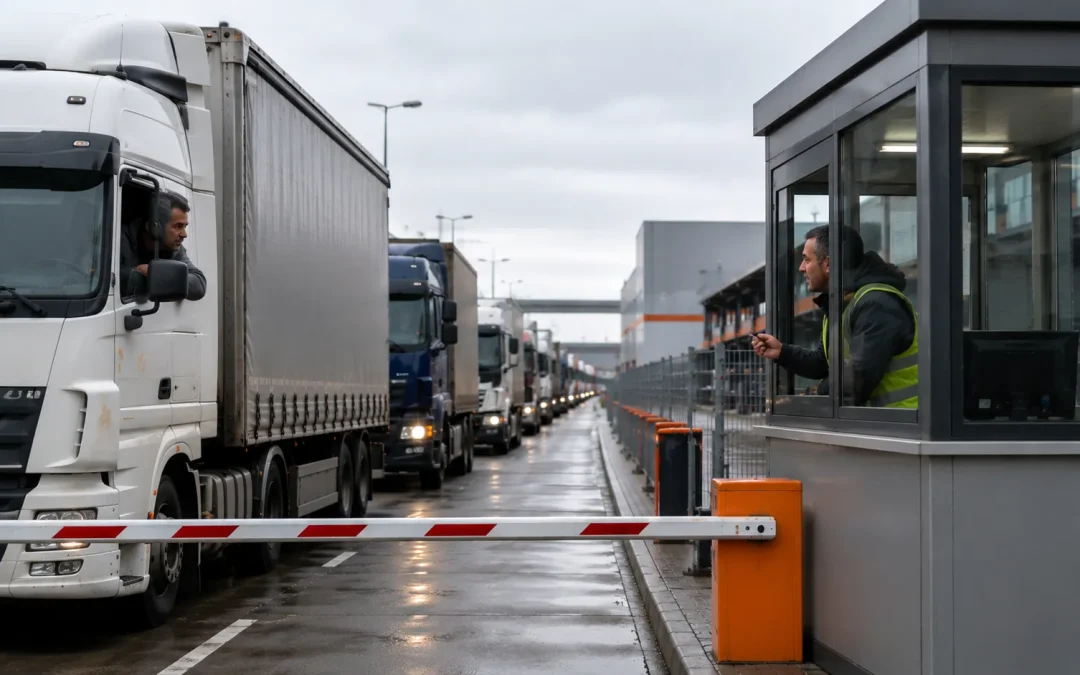
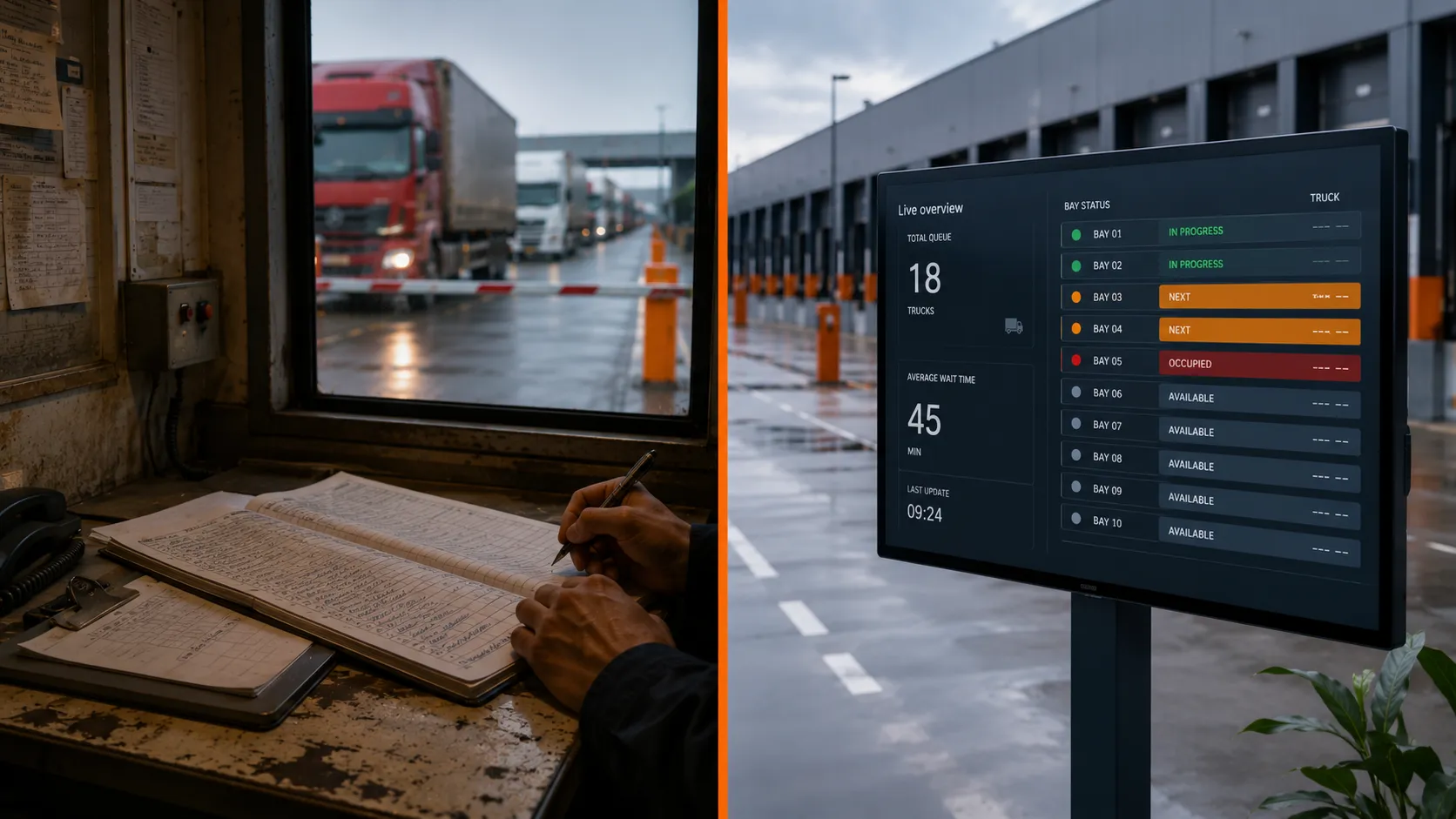
In manual management, every step—driver identification, document verification, bay assignment, and instructions—is handled by the gate staff. This generates two types of costs: a direct cost of labor dedicated to repetitive tasks, and an indirect cost related to delays, queues, and prolonged vehicle idle times, often resulting in detention and demurrage costs for carriers.
How much you save with a digital system: industry data
WHAT INDUSTRY ANALYSIS SAYS
- The return on investment in a yard management system is typically observed within 12-18 months, with returns between 200% and 400% over three years, thanks to reduced labor costs, improved throughput, and lower detention costs.
- A digital system can absorb the workload equivalent to 4-5 full-time employees, with ROI visible in six months or less in many cases.
- Some analyses document average savings of approximately $99,750 per year per facility, with a reduction in detention costs of up to $4,000 per month and a 20-40% increase in turnaround speed at the docks.
- One documented optimization case reports a reduction in average gate time from 30 minutes to less than 10, thanks to automatic notifications to departments about incoming loads.
Figures vary. It varies from case to case and depends on the context, volumes, and initial state of the structure, but the direction is consistent across all sources: digitizing the yard generates a measurable return, not just a perceived improvement.
Direct comparison: manual management vs. digital system
Yardis Kiosk: investing in yard control
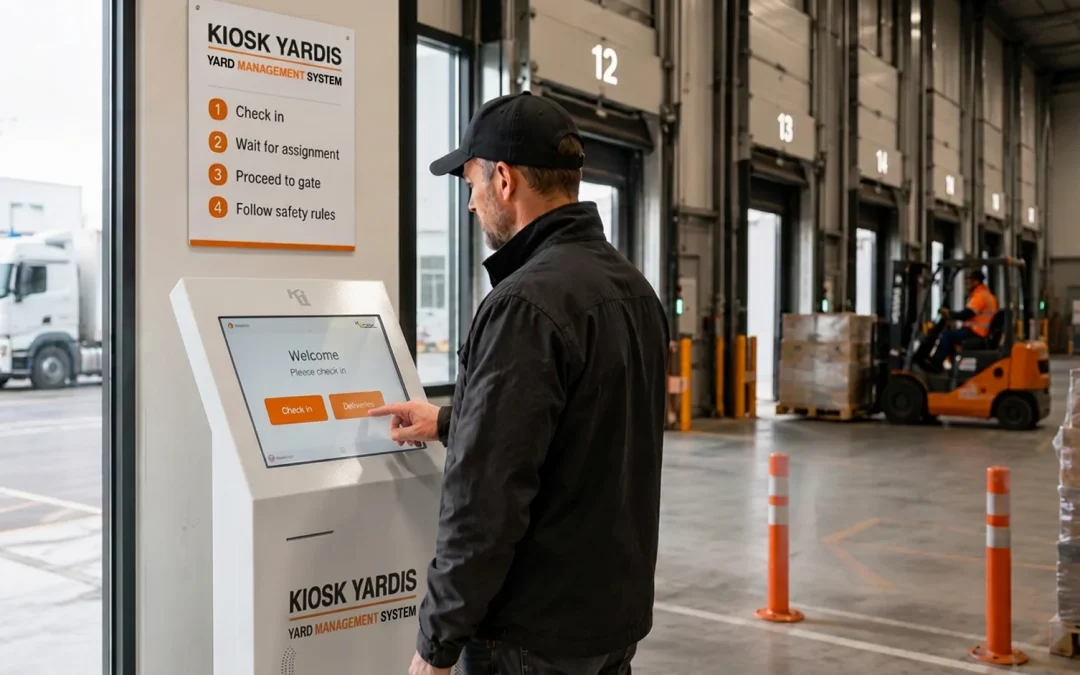
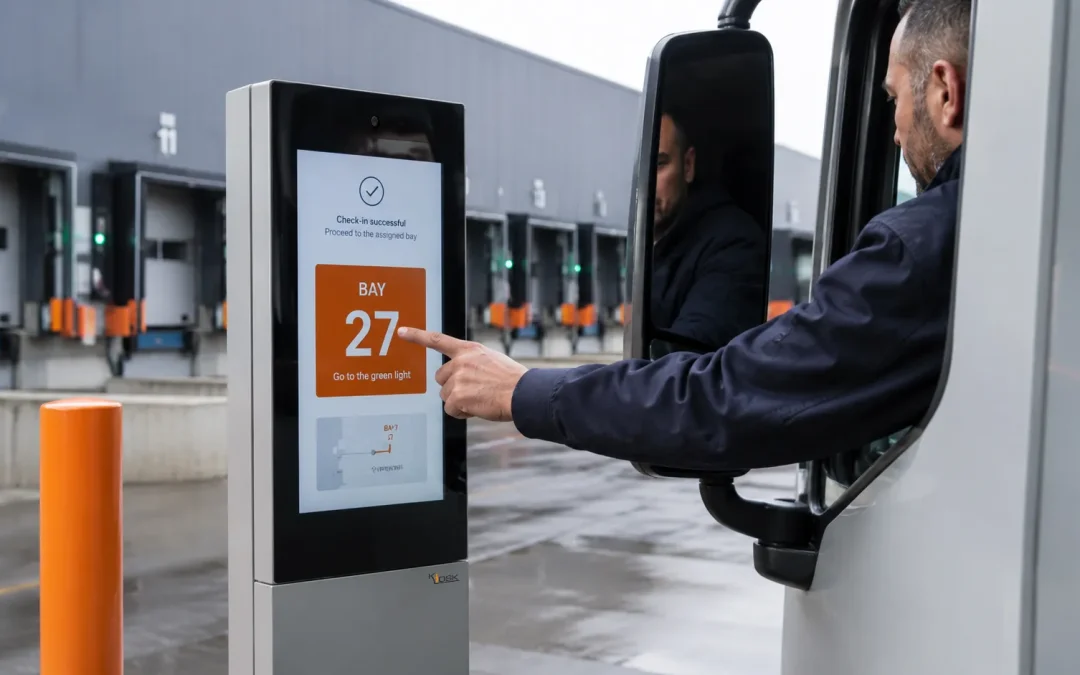
Kiosk Yardis digitizes the entire check-in and bay assignment process, reducing the burden on concierge staff and providing the data needed to address the real causes of queues at the gate, with a centralized, multi-site dashboard to monitor results over time.
FAQ
How long does it take for an investment in yard management to pay for itself?
Industry analyses typically indicate a return within 12-18 months, with ROI observed as early as six months in high-volume environments.
Does a digital system eliminate the need for concierge staff?
No, it reduces the burden on repetitive tasks, allowing human resources to focus on exception management and security.
Do the savings only concern time or also direct costs?
Both: the reduction in waiting times is compounded by the reduction in detention and demurrage costs for carriers, in addition to the reduced burden on dedicated labor.